3D Rendering Shape Background Design: Practical Uses and Creative Possibilities
What Exactly Is 3D Rendering Shape Background Design?
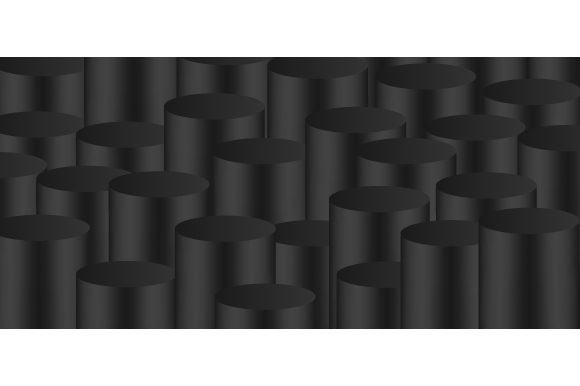
At its core, 3D rendering shape background design is a digital technique that uses three-dimensional shapes, lighting, and textures to create visually rich and immersive backgrounds. These designs can be used in a variety of formats, including AI, EPS, JPG, and PNG, making them versatile for both print and digital applications. Whether you're designing a wallpaper for your smartphone or crafting a professional infographic, 3D rendering brings depth and dimension that flat design simply can't match.
Where Can You Use 3D Rendering Shape Backgrounds?
These designs are incredibly flexible. Here are just a few real-world applications where they shine:
- Wallpapers for Devices: From desktops to smartphones, 3D backgrounds add a modern, dynamic feel to personal devices. They’re especially popular among gamers and tech enthusiasts who want their screens to reflect a sense of movement and energy.
- Infographics: In data visualization, a well-designed background can help guide the viewer’s eye and enhance the overall message. 3D shapes can subtly highlight key points without overwhelming the content.
- Website Headers and Hero Sections: Many modern websites use 3D background designs to create an immediate visual impact. They work well in landing pages, portfolios, and promotional banners.
- Presentation Slides: Whether you're pitching to investors or teaching a class, a 3D-rendered background adds a professional and polished touch to your slides.
- Marketing Materials: Brochures, posters, and social media graphics benefit from the visual interest these backgrounds provide, helping brands stand out in crowded spaces.
Who Benefits Most from This Type of Design?
The beauty of 3D rendering shape background design is that it appeals to a wide range of users:
- Graphic Designers: They can use these files as base layers or overlays to add depth to their compositions. Having the files in AI and EPS formats means they can easily tweak and integrate them into complex projects.
- Marketers and Content Creators: These professionals often need eye-catching visuals quickly. Pre-rendered 3D backgrounds in JPG or PNG format can be dropped directly into social media posts, banners, and promotional emails.
- Developers and UI Designers: When designing apps or websites, developers can use these backgrounds to create a sense of depth and interactivity without heavy coding or resource use.
- Students and Educators: Presentations become more engaging with 3D elements. Even those without advanced design skills can use these templates to elevate their visual communication.
Industries That Leverage 3D Backgrounds
Several industries are already embracing this trend for both aesthetic and functional reasons:
- Technology and Software: High-tech companies use 3D backgrounds to reflect innovation and forward-thinking design in their marketing and product interfaces.
- Architecture and Interior Design: These fields often use 3D renderings to visualize spaces. Backgrounds can help contextualize designs or add visual interest to presentations.
- Gaming and Entertainment: From game splash screens to promotional posters, 3D backgrounds are a staple in this visually-driven industry.
- E-commerce: Online stores use these designs to highlight products in a more immersive way, especially for tech, fashion, and lifestyle brands.
- Education and E-Learning: Platforms that offer online courses or tutorials often use 3D backgrounds to make learning materials more visually appealing and easier to digest.
Things to Consider Before Using 3D Rendering Shape Backgrounds
While these designs offer a lot of visual appeal, there are a few practical considerations to keep in mind:
- File Compatibility: Make sure the file formats you're getting (AI, EPS, JPG, PNG) are compatible with your design tools. Vector formats like AI and EPS are ideal for scalability, while JPG and PNG are great for quick use in web or print.
- Performance Impact: Especially for websites and apps, large or complex 3D images can slow down load times. Optimize files for the platform you're using them on.
- Color and Contrast: A busy background can distract from the main content. Always test your design with different text and overlay elements to ensure readability.
- Brand Consistency: If you're using these backgrounds for marketing or branding, make sure they align with your brand colors, tone, and messaging.
- Customization Needs: If you plan to tweak the design, vector files (AI and EPS) give you more flexibility. Raster formats (JPG and PNG) are more limited in terms of editing.
Strengths That Make 3D Rendering Stand Out
When used well, 3D rendering shape background design offers several clear advantages:
- Visual Depth: Adds a sense of realism and dimension that flat graphics can’t replicate.
- Professional Quality: High-quality 3D renders instantly elevate the look of any project, making it feel more polished and intentional.
- Versatility: Whether you're designing a wallpaper or a tech infographic, these backgrounds can be adapted to fit multiple needs.
- Time Efficiency: Ready-made templates save time while still offering a premium look, especially for those without advanced 3D modeling skills.
Potential Limitations to Be Aware Of
Despite their many benefits, there are a few limitations to consider:
- Overuse Can Distract: Too much 3D detail in the background can pull attention away from the main message or content.
- Not Always Mobile-Friendly: Some 3D effects may not render well on smaller screens or older devices, especially if they're not optimized.
- Learning Curve: If you want to customize or create your own 3D backgrounds, there may be a learning curve depending on your software and skill level.
Ideas to Inspire Your Next Design Project
Here are a few creative ways to incorporate 3D rendering shape background design into your work:
- Create a minimalist tech wallpaper using subtle geometric shapes that glow softly.
- Design an infographic on AI trends with floating abstract shapes that represent innovation and data flow.
- Use a 3D background in a mobile app onboarding screen to guide users through key features visually.
- Build a corporate presentation deck with sleek, modern backgrounds that reflect the brand’s cutting-edge image.
- Make a social media post for a product launch with a dynamic 3D backdrop that highlights the product’s features.
Final Thoughts (Without the Label)
Whether you're a designer, marketer, developer, or educator, 3D rendering shape background design offers a powerful way to enhance your visuals and engage your audience. With formats like AI, EPS, JPG, and PNG available, it's easier than ever to integrate these designs into your workflow. Just remember to balance creativity with practicality—choose the right format, consider the context, and always keep the end user in mind.