Conservation Illustration: A Visual Tool for Environmental Awareness and Workflow Integration
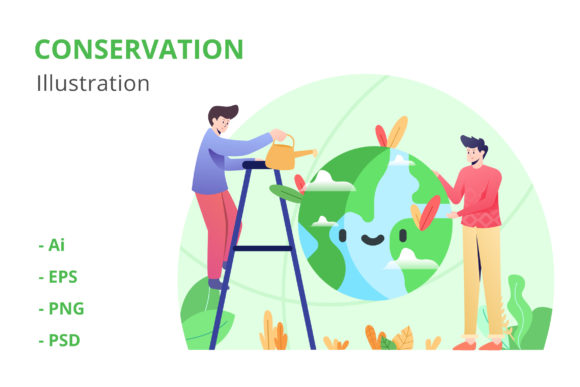
Visual storytelling has become a cornerstone of modern communication, especially in fields that aim to drive awareness and action around critical issues like environmental conservation. The Conservation Illustration image is a powerful visual asset designed to support environmental movements, helping creators and communicators convey the urgency and importance of protecting our planet. Whether used in digital campaigns, educational materials, or internal presentations, this type of illustration plays a strategic role in both creative and strategic workflows.
What Is Conservation Illustration?
The Conservation Illustration is a ready-to-use vector-based graphic that visually represents themes of environmental care, sustainability, and ecological balance. It’s crafted to resonate with audiences emotionally and intellectually, making abstract concepts like climate change, deforestation, and pollution more tangible and relatable. Being 100% vector-based ensures scalability without loss of quality, making it ideal for a wide range of applications—from mobile app interfaces to print media.
Its compatibility with Adobe Illustrator and Photoshop further enhances its utility, allowing designers to integrate and customize the illustration within existing design systems and creative workflows. This flexibility supports a seamless transition from concept to execution across multiple platforms and use cases.
How Conservation Illustration Fits Into Broader Workflows
Whether you're a marketer launching a green initiative, an educator preparing curriculum materials, or a nonprofit building a campaign, the Conservation Illustration can be embedded at various stages of your process. Here's how it integrates naturally into different phases:
Before a Project Begins
In the planning phase, visuals like the Conservation Illustration help define the tone and message of a project. Designers and content creators can use it as a placeholder or inspiration during wireframing and mood board creation. It also supports stakeholder alignment by visually representing the project’s purpose and values, especially in initiatives centered around sustainability.
During Execution
As the creative process unfolds, the illustration can be adapted to fit specific deliverables. For example, a social media manager might incorporate it into a carousel post about recycling practices, while a UI/UX designer could use it in an app that tracks carbon footprint. Its vector format allows for easy editing and layering, supporting iterative design and real-time adjustments.
After Launch or Completion
Post-launch, the same illustration can be repurposed for reports, infographics, or follow-up campaigns. It becomes a consistent visual element that reinforces brand identity and mission, especially for organizations focused on environmental impact. Reusing the asset across timelines and deliverables ensures visual continuity and strengthens message retention.
Integration with Tools and Platforms
One of the key strengths of the Conservation Illustration is its adaptability across tools and platforms. Here’s how it can be integrated into common digital and creative workflows:
- Adobe Creative Suite: As a native Illustrator and Photoshop file, it integrates directly into design projects without conversion issues. Layers can be edited individually, enabling customization for specific branding or messaging needs.
- Content Management Systems (CMS): Whether you're using WordPress, Squarespace, or Webflow, the illustration can be exported in standard formats like PNG or SVG for web use, ensuring fast load times and responsive design compatibility.
- Presentation Tools: In platforms like PowerPoint or Google Slides, the illustration adds visual impact to slides about sustainability goals, environmental impact reports, or educational content.
- Social Media Platforms: The scalable nature of vector graphics makes the image suitable for Instagram posts, LinkedIn banners, or Twitter cards, where visual clarity across devices is essential.
Practical Implementation Tips
Successfully integrating the Conservation Illustration into your workflow involves more than just placing it on a page. Here are some practical tips to maximize its impact:
- Align with Brand Colors: Use the illustration as a base and recolor elements to match your brand’s visual identity. This maintains consistency while leveraging the image’s environmental messaging.
- Use Across Touchpoints: Incorporate the image in emails, landing pages, blog posts, and product packaging to reinforce your environmental commitment across customer interactions.
- Pair with Data Visualizations: Combine the illustration with charts or infographics to make sustainability reports or environmental impact summaries more engaging and digestible.
- Optimize for Performance: When exporting for web use, choose the appropriate file format and compression settings to maintain quality while ensuring fast loading times.
- Version Control: Maintain a central repository of edited versions to avoid duplication and ensure everyone on the team uses the most up-to-date assets.
Supporting Long-Term Environmental Messaging
Environmental awareness isn’t a one-time campaign—it’s a long-term commitment. The Conservation Illustration supports this ongoing effort by serving as a flexible, reusable asset that evolves with your messaging. As your organization grows and your sustainability initiatives expand, the illustration can be updated or recontextualized to reflect new goals, data, or milestones.
For educators and nonprofits, this adaptability makes it a valuable tool for creating age-appropriate, culturally relevant, or region-specific materials. For businesses, it reinforces a consistent brand narrative around environmental responsibility, which is increasingly important to consumers and stakeholders.
Conclusion
Incorporating the Conservation Illustration into your creative and strategic workflows is more than a design decision—it’s a commitment to visual storytelling that drives awareness and action. Whether you're creating a presentation, designing a mobile app, or launching a sustainability campaign, this illustration supports clarity, consistency, and emotional resonance. By understanding how it fits into planning, execution, and long-term strategy, you can make the most of this powerful visual asset in a way that aligns with your mission and audience needs.