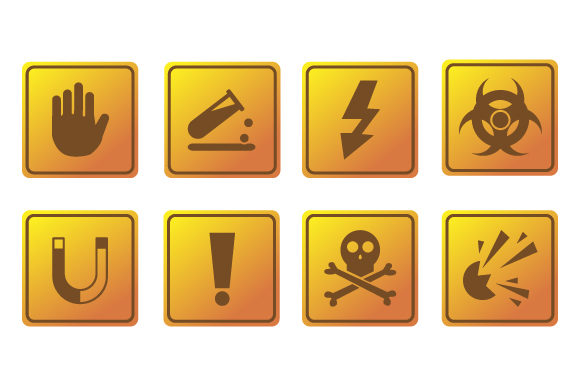
Danger Warning Attention Sign Icon: A Strategic Tool for Visual Communication
Visual communication plays a pivotal role in how messages are received, understood, and acted upon. The Danger Warning Attention Sign Icon is more than just a symbol — it's a deliberate design element that commands focus and signals urgency. Whether used in digital interfaces, printed materials, or marketing assets, this icon carries a powerful psychological weight. When applied with intention, it can elevate the clarity and impact of your messaging. However, misuse can dilute its effect or even confuse your audience. Understanding how to incorporate this icon effectively is essential for anyone involved in branding, marketing, design, or user experience strategy.
Why the Danger Warning Attention Sign Icon Matters
The Danger Warning Attention Sign Icon serves as a visual trigger that alerts the viewer to something important, risky, or time-sensitive. It's often associated with caution, warnings, or critical information that requires immediate attention. In design and communication, this icon can act as a guidepost — directing focus and signaling that a decision or action is necessary.
From a psychological standpoint, humans are wired to respond quickly to symbols that suggest danger or urgency. This instinctive reaction makes the icon a valuable tool in environments where clarity and response time are crucial — such as safety signage, software alerts, or promotional campaigns that emphasize limited-time offers.
Strategic Uses Across Industries and Goals
Businesses and creators can integrate the Danger Warning Attention Sign Icon into various contexts, provided the application aligns with the intended message and audience expectations. Here are a few strategic use cases:
- Marketing and Promotions: Use the icon to highlight urgent offers, product recalls, or policy changes that customers need to know about.
- User Interface Design: In apps or websites, it can signal form errors, incomplete actions, or system alerts that require user intervention.
- Educational Materials: For instructional guides or training content, the icon can emphasize safety precautions or critical steps.
- Operational Signage: In manufacturing, logistics, or construction, it reinforces safety protocols and hazard warnings.
Each of these applications benefits from a consistent and contextually appropriate use of the icon. When deployed strategically, it supports better decision-making by drawing attention to what matters most.
How to Approach Implementation with Purpose
Before incorporating the Danger Warning Attention Sign Icon into your design or communication materials, consider the following strategic questions:
- What is the core message? Is it urgent, critical, or cautionary? If not, a less intense visual cue may be more appropriate.
- Who is the audience? Different demographics may interpret symbols differently. Ensure the icon aligns with their expectations and cultural understanding.
- Where will it be used? Context matters — digital interfaces, printed materials, and environmental signage may require variations in size, color, and surrounding text.
- What action should it prompt? Every icon should serve a purpose beyond aesthetics. Define the desired outcome — whether it’s a pause, a click, or an alert.
These considerations help ensure that the Danger Warning Attention Sign Icon is used with intention rather than as a decorative element. This distinction is key to maintaining clarity and trust with your audience.
Designing for Long-Term Clarity and Consistency
One of the most overlooked aspects of using icons like the Danger Warning Attention Sign Icon is consistency. Repeated use across different platforms should follow a unified visual language. Inconsistent application — such as using the icon in one place to signal danger and in another to indicate general importance — can confuse users and weaken its impact.
Establish a style guide or visual framework that outlines when and how the icon should be used. This includes guidelines on color variations, spacing, accompanying text, and acceptable file formats (AI, EPS, JPG, PNG, SVG). A consistent approach supports long-term brand recognition and user comprehension.
File Formats and Practical Application
When working with the Danger Warning Attention Sign Icon, having access to multiple file formats (AI, EPS, JPG, PNG, SVG) offers flexibility across different mediums:
- AI and EPS: Ideal for vector-based editing and scalable illustrations, particularly for print and high-resolution outputs.
- SVG: Perfect for web use due to scalability without loss of quality and compatibility with responsive design.
- JPG and PNG: Useful for digital platforms where vector support is limited, especially when transparency (PNG) is needed.
Choosing the right format ensures that the icon remains clear and effective regardless of where it appears. This attention to detail reflects professionalism and enhances the user experience.
Risks of Misuse and Overuse
While the Danger Warning Attention Sign Icon is powerful, it can be counterproductive if used without clear intent. Common pitfalls include:
- Overuse: Frequent appearance of the icon diminishes its urgency and may lead to user desensitization.
- Misalignment: Using it in contexts where the message isn't urgent or critical can erode trust and clarity.
- Lack of supporting context: Icons alone may not be enough to convey complex messages. Always pair them with clear text or instructions when necessary.
Avoid treating the icon as a default visual shortcut. Instead, reserve it for situations where immediate attention is truly warranted. This approach preserves its effectiveness and ensures your audience takes it seriously when it matters most.
Planning for Effective Integration
Integrating the Danger Warning Attention Sign Icon into your design or communication strategy should be part of a broader planning process. Here are a few practical steps to guide your implementation:
- Define your message hierarchy: Determine which messages require visual emphasis and which can be presented more subtly.
- Test with real users: Conduct usability tests or A/B testing to see how your audience responds to the icon in context.
- Review across platforms: Ensure the icon maintains its clarity and meaning whether viewed on a mobile screen, printed banner, or website.
- Document usage standards: Create internal guidelines to maintain consistency across teams and over time.
These steps help ensure that the Danger Warning Attention Sign Icon is not only visually present but also functionally effective.
Conclusion: A Visual Element with Strategic Value
The Danger Warning Attention Sign Icon is more than a design asset — it's a communication tool that influences perception, behavior, and decision-making. When used thoughtfully, it enhances clarity, directs attention, and supports better outcomes. Whether you're designing a user interface, creating marketing materials, or developing safety signage, the key is to apply the icon with purpose, context, and consistency.
By aligning its use with your goals, planning carefully, and considering long-term implications, you can ensure that the Danger Warning Attention Sign Icon serves as a meaningful and effective part of your visual strategy — not just a decorative symbol lost in a sea of generic design elements.