Diabetes Test Icons Set: A Strategic Tool for Designers and Health Communicators
For professionals working at the intersection of health communication, UI/UX design, and digital content creation, the Diabetes Test Icons Set offers more than just visual appeal. It’s a practical asset that, when used intentionally, can enhance clarity, improve user experience, and support broader communication goals. Whether you're designing a mobile health app, creating an infographic about blood sugar management, or building a website for a wellness brand, this icon set can serve as a foundational visual element.
What Is the Diabetes Test Icons Set?
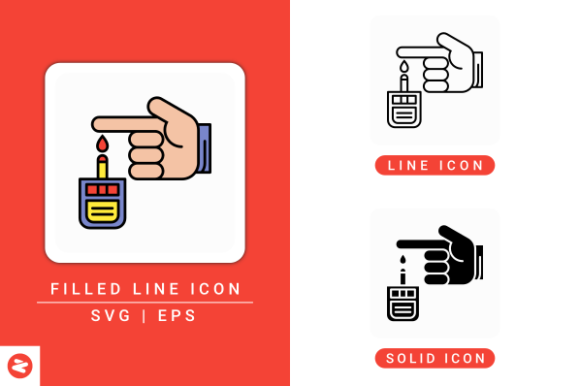
The Diabetes Test Icons Set is a collection of vector-based icons representing various aspects of blood sugar testing and diabetes management. The set includes three distinct visual styles: filled line icons, line icons, and solid icons, each available in SVG and EPS formats. These icons are fully editable, allowing designers to customize stroke widths, colors, and other visual properties to match brand guidelines or interface requirements.
Why It Matters in Modern Design and Communication
In a world where visual communication plays a central role in user engagement, having access to a well-designed, consistent icon set is essential. The Diabetes Test Icons Set supports this need by offering a cohesive visual language for health-related platforms. It allows designers and content creators to convey complex medical concepts—like glucose monitoring, insulin use, and dietary tracking—in a simple, recognizable format.
From a strategic perspective, this icon set becomes valuable when integrated into larger communication frameworks. For instance, a health tech startup building a diabetes management app can use these icons to guide users through daily tracking routines. A wellness blogger can incorporate them into infographics to explain blood sugar levels visually. In both cases, the icons help reduce cognitive load and increase comprehension.
How to Use the Icons for Clearer Communication
Effective use of the Diabetes Test Icons Set starts with understanding the context in which it will be used. Consider the following scenarios:
- Mobile App UI: Use solid icons for primary actions and line icons for secondary navigation. This visual hierarchy improves usability and guides user behavior.
- Infographics: Combine filled line icons with minimal text to explain diabetes testing steps in a clear, engaging way.
- Web Design: Integrate icons into landing pages or health dashboards to visually reinforce key features like glucose tracking or medication reminders.
Planning Your Design Strategy Around the Icon Set
Before incorporating the Diabetes Test Icons Set into your project, take time to align its use with your overall design and communication strategy. Ask yourself:
- What message are we trying to convey?
- Who is the target audience (patients, healthcare professionals, general public)?
- How will these icons support user navigation or information retention?
By answering these questions, you can ensure that the icons are not just decorative but functionally relevant. For example, a medical website targeting older adults might benefit from larger, high-contrast solid icons, while a wellness app for younger users might lean toward minimalist line icons.
Customization: Making the Icons Work for Your Brand
One of the most powerful features of the Diabetes Test Icons Set is its adaptability. Because the icons are vector-based and fully editable, they can be tailored to fit different design systems. Designers can adjust stroke widths, color palettes, and even icon shapes to align with brand identities or accessibility standards.
For instance, if your brand uses a specific color scheme for health-related content, you can recolor the icons accordingly. If you're designing for users with visual impairments, increasing the stroke weight and using high-contrast colors can make the icons more legible.
Supporting Long-Term Branding and User Experience
Consistency in visual language is key to building trust and recognition. The Diabetes Test Icons Set can serve as a unifying design element across multiple platforms—web, mobile, print, and presentations. When users encounter the same visual cues across different touchpoints, they develop a stronger association with your brand and message.
From a strategic standpoint, this consistency supports long-term engagement. A health-focused startup that uses these icons across its app, blog, and marketing materials creates a more cohesive user experience, which can lead to higher retention and better health outcomes for users managing diabetes.
When to Use It—and When Not To
While the Diabetes Test Icons Set is a versatile tool, it's not a one-size-fits-all solution. It works best when there's a clear purpose behind its use. Avoid using the icons simply because they're available. Instead, integrate them only when they enhance clarity or support user goals.
For example, using icons in a complex medical interface without proper labeling can confuse users rather than help them. Similarly, overusing icons in a content-heavy infographic may distract from the main message. Always test icon usage with real users or stakeholders to ensure they serve their intended function.
Understanding the Risks of Random or Misaligned Use
Using the Diabetes Test Icons Set without a clear strategy can lead to inconsistent messaging, visual clutter, or even misinterpretation. For instance, mixing icon styles within the same interface can create a disjointed user experience. Using medical icons in a non-medical context might confuse the audience or undermine credibility.
To avoid these pitfalls, establish design guidelines early in your project. Define which icon styles will be used where, how they should be labeled, and what visual rules they must follow. This ensures that the icons contribute meaningfully to your communication rather than becoming visual noise.
Practical Tips for Getting Started
Here are some actionable steps to make the most of the Diabetes Test Icons Set:
- Review all available files: Take time to explore the filled line, line, and solid icon variations to understand which fits your design best.
- Test in context: Place icons in actual interface mockups or content layouts to see how they perform visually and functionally.
- Use software wisely: Open the SVG and EPS files in Adobe Illustrator, Inkscape, or Gravit Designer to customize icons for your specific needs.
- Label appropriately: Always pair icons with text or tooltips to ensure clarity, especially in health-related content.
Conclusion: A Thoughtful Approach to Icon Integration
The Diabetes Test Icons Set is more than a design asset—it's a strategic tool for improving communication, enhancing user experience, and reinforcing brand consistency. When used thoughtfully, it can support a wide range of professional goals, from launching a health app to educating the public about diabetes management.
However, its effectiveness hinges on intentional use. By aligning icon choices with design goals, audience needs, and branding strategies, professionals can ensure that these icons contribute meaningfully to their projects. As with any visual element, the key is not just to use the icons—but to use them well.