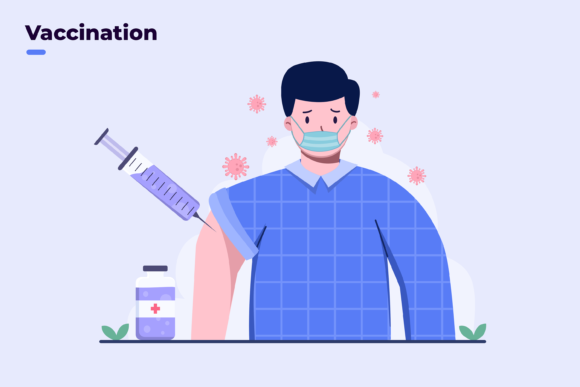
Understanding the Covid-19 Coronavirus Vaccination Process
The Covid-19 coronavirus vaccination process has been a pivotal development in global public health. As the pandemic unfolded, scientists, governments, and medical professionals worked tirelessly to create safe and effective vaccines to protect populations. Understanding how this process works, what it involves, and how to approach it responsibly is essential for anyone looking to make informed decisions about their health or communicate effectively about the topic.
What the Vaccination Process Involves
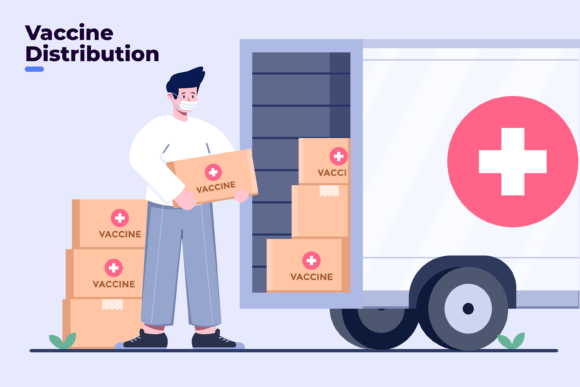
The Covid-19 coronavirus vaccination process typically begins with the development of a vaccine candidate, followed by rigorous testing through clinical trials. These trials are divided into phases, each designed to evaluate safety, dosage, immune response, and effectiveness. Once a vaccine is approved, it moves into mass production and distribution, where healthcare workers administer it to the public through injection.
For the general public, receiving the vaccine usually involves scheduling an appointment, undergoing a brief health screening, receiving the injection, and then monitoring for any immediate side effects. Some vaccines require a second dose after a set period to ensure full immunity.
Common Mistakes People Make
Despite widespread information, several misunderstandings persist around the Covid-19 coronavirus vaccination process. One common mistake is assuming that all vaccines work the same way. In reality, some use mRNA technology, while others rely on viral vectors or inactivated viruses. Each type has different storage requirements, side effects, and efficacy rates.
Another frequent oversight is skipping the second dose of a two-dose vaccine. Some individuals believe one shot is sufficient, which can lead to reduced immunity and a false sense of protection. Similarly, others may rush to get vaccinated without understanding pre-existing conditions that could affect their response to the vaccine.
How These Mistakes Affect Outcomes
Misunderstanding the vaccine process can have real-world consequences. For example, not completing the full vaccination schedule can result in incomplete immunity, leaving individuals vulnerable to infection. This not only affects personal health but also contributes to community spread and the potential emergence of new variants.
On a broader scale, misinformation or incomplete knowledge can erode public trust in vaccines, leading to lower vaccination rates and prolonged public health crises. Inaccurate beliefs about how the Covid-19 coronavirus vaccination process works can also cause unnecessary anxiety or lead people to avoid vaccination altogether.
Better Approaches to Understanding Vaccination
One of the best ways to avoid confusion is to consult trusted sources such as national health departments, the World Health Organization (WHO), or licensed medical professionals. These organizations provide accurate, up-to-date guidance on vaccine types, eligibility, and administration procedures.
When considering the vaccine process, it's also important to understand that early trial tests and volunteer participation were crucial in ensuring safety and efficacy. Thousands of volunteers stepped forward to test various vaccine candidates, helping scientists gather essential data and refine the final products.
For those looking to visually communicate the Covid-19 coronavirus vaccination process, using flat design vector graphics can be highly effective. These visuals are ideal for banners, infographics, motion graphics, posters, and presentations. They simplify complex ideas, making the vaccination journey more accessible and less intimidating to the general public.
What to Check Before Getting Vaccinated
Before receiving a vaccine, individuals should verify the type of vaccine being offered and understand its specific requirements. For example, some vaccines require ultra-cold storage and may only be available at certain locations. Others may have different age restrictions or contraindications for people with allergies or chronic conditions.
It’s also wise to review any documentation provided at the vaccination site. This often includes information about potential side effects, what to do in case of an adverse reaction, and when to schedule a follow-up dose if needed. Keeping a record of your vaccination history is important for future reference, especially when traveling or returning for a booster shot.
Avoiding Misinformation and Staying Informed
One of the biggest challenges in the Covid-19 coronavirus vaccination process is combating misinformation. Social media and unverified sources often spread misleading claims about vaccine ingredients, side effects, or long-term impacts. These claims can cause unnecessary fear and confusion.
Staying informed means actively seeking out evidence-based information and being cautious about sources. If something sounds alarming or too good to be true, it’s worth double-checking with official health websites or speaking to a qualified healthcare provider. Vaccination is a personal and community health decision, and accurate knowledge is the best tool for making it wisely.
Practical Tips for Supporting the Vaccination Process
- Stay updated: Vaccination guidelines can change based on new research and public health needs. Regularly check official sources for the latest updates.
- Prepare for side effects: Mild side effects like soreness at the injection site or fatigue are common and usually pass within a day or two. Knowing what to expect can help reduce anxiety.
- Encourage others: Sharing accurate information and personal experiences can help reduce vaccine hesitancy in your community.
- Use visuals wisely: If you're creating content about the Covid-19 coronavirus vaccination process, choose clear, engaging visuals that enhance understanding without oversimplifying or distorting facts.
Final Thoughts
The Covid-19 coronavirus vaccination process is more than just receiving an injection—it’s a carefully designed system that combines science, logistics, and public cooperation. Whether you're preparing for your own vaccination, creating educational materials, or simply seeking to understand the process better, approaching it with curiosity and care makes a significant difference.
By avoiding common mistakes, staying informed, and supporting accurate communication, individuals can contribute to a safer, healthier world. The journey from early trial tests to widespread vaccination has been a remarkable one, and understanding your role in it empowers you to make responsible, informed decisions for yourself and those around you.